
The Humble Servant: Jesus Reveals His Identity Through Service

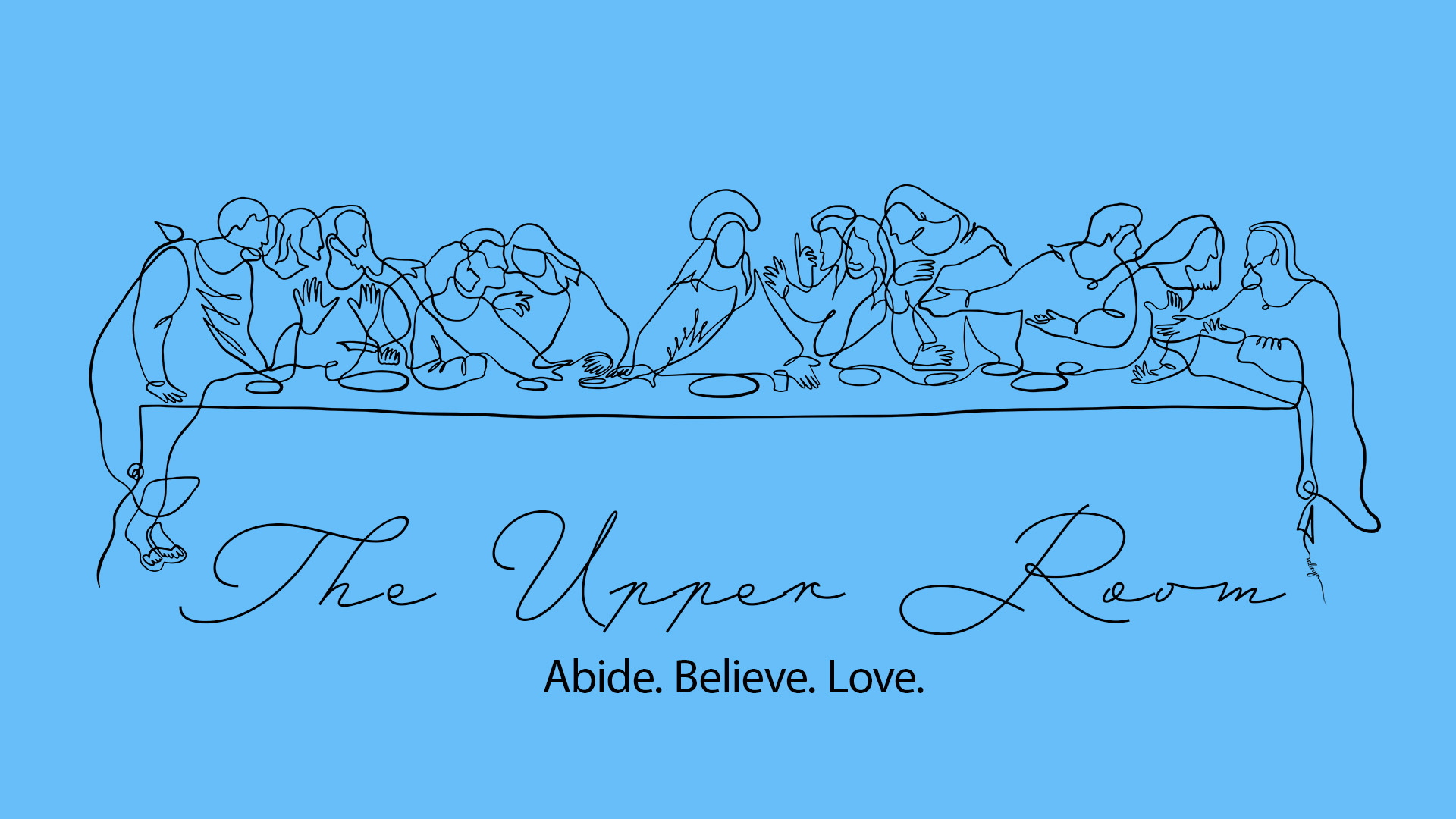
In John’s Gospel, we find Jesus in the upper room with His disciples on the final night of His life. This moment isn’t just about Jesus preparing His disciples for life without Him. It’s about ensuring they understand who He truly is.
John begins his Gospel with a powerful creation narrative: “In the beginning was the Word, and the Word was with God, and the Word was God… The light shines in the darkness, and the darkness has not overcome it.” This theme of light versus darkness becomes crucial on this particular night.
Who Is Jesus Claiming to Be?
Throughout John’s Gospel, Jesus makes increasingly bold claims about His identity. In John 8, He declares, “Very truly, I tell you, before Abraham was, I am.” This phrase “I am” (ego eimi in Greek) directly references Exodus, where God identifies Himself to Moses as “I AM WHO I AM.”
This claim reveals Jesus’ true identity. Throughout Scripture, we’ve seen God’s power displayed:
- In the flood of Genesis 6, cleansing the world and providing redemption through the ark
- In the Exodus, freeing His people from slavery and parting the Red Sea
- In creating the world by speaking it into existence
Now, this same God, the great “I AM,” is about to reveal Himself in an unexpected way.
The Unexpected Revelation of God’s Power
John 13 begins with Jesus knowing “that the hour had come for him to leave this world and go to the Father.” It’s Passover, evil is present through Judas’s impending betrayal, and spiritual darkness looms.
Despite knowing “that the Father had put all things under his power,” Jesus does something shocking. He removes His outer clothing, wraps a towel around His waist, and begins washing His disciples’ feet, a task reserved for the lowest servants.
The disciples expected God to act in power as He had throughout history, crushing Rome or overthrowing the religious establishment. Instead, they witness their Master kneeling with a towel and basin of water in the ultimate act of humility.
Why Did Peter Resist Having His Feet Washed?
When Jesus comes to Peter, the disciple protests: “Lord, are you going to wash my feet?” When Jesus explains that Peter will understand later, Peter insists, “You shall never wash my feet!”
Jesus’ response is profound: “Unless I wash you, you have no part with me.”
Peter likely thought this task was beneath Jesus, inappropriate for their Master. But Jesus is teaching a crucial lesson: Peter is incapable of cleansing himself. Israel had tried for centuries to get it right and failed repeatedly.
We can relate to Peter’s resistance. We often think, “I can do it on my own. I can try harder. I won’t fall again.” Yet we continue to stumble. The great “I AM,” with a basin of water and a towel, kneels before His disciples, and us, offering cleansing we cannot achieve ourselves.
What Does Jesus Expect From His Followers?
After washing their feet, Jesus asks, “Do you understand what I have done for you?” He continues: “You call me ‘teacher’ and ‘Lord,’ and rightly so, for that is what I am. Now that I, your Lord and Teacher, have washed your feet, you also should wash one another’s feet.”
Jesus calls His followers to the same humility of service He demonstrated. This service might look different today—changing a diaper in the nursery, taking out trash, staying late to clean up, or bringing food to a hospitalized neighbor.
Jesus emphasizes: “Very truly, I tell you, no servant is greater than his master, nor a messenger greater than the one who sent him. Now that you know these things, you will be blessed if you do them.”
Why Did Jesus Wash Their Feet Before His Crucifixion?
Jesus tells His disciples, “I am telling you now before it happens, so that when it happens, you will believe that I am who I am.” This wasn’t just a servant washing feet. This was the God of creation, the Word made flesh, initiating a new creation through an act of humble service.
John wants us to see that the same God who spoke worlds into existence and parted the Red Sea now kneels to serve His disciples. This revelation of God’s character would prepare them to understand His ultimate act of service on the cross.
Life Application
Two powerful lessons emerge from this passage:
- Accept Jesus’ cleansing: We often resist admitting our struggles and sins. Jesus invites us to be washed and cleansed by Him, saying that without this cleansing, we “have no part” with Him. This is His invitation to join His kingdom.
- Serve like Jesus served: For those who belong to Jesus, He calls us to “pick up a towel” and serve others with the same humility He demonstrated.
Imagine the impact a church would make if every member lived out this commission—humbly serving neighbors, coworkers, strangers, and even those who wrong us.
Questions to Consider:
- In what areas of my life am I still trying to “cleanse myself” rather than allowing Jesus to wash me?
- Where am I resisting service because I think certain tasks are “beneath me”?
- What specific way could I “pick up a towel” this week to serve someone in my life?
- How would my relationships change if I approached them with the humility Jesus demonstrated?
The God of the universe, the great “I AM,” kneeled to serve. Will we allow Him to cleanse us? And will we follow His example by serving others with the same radical humility?