
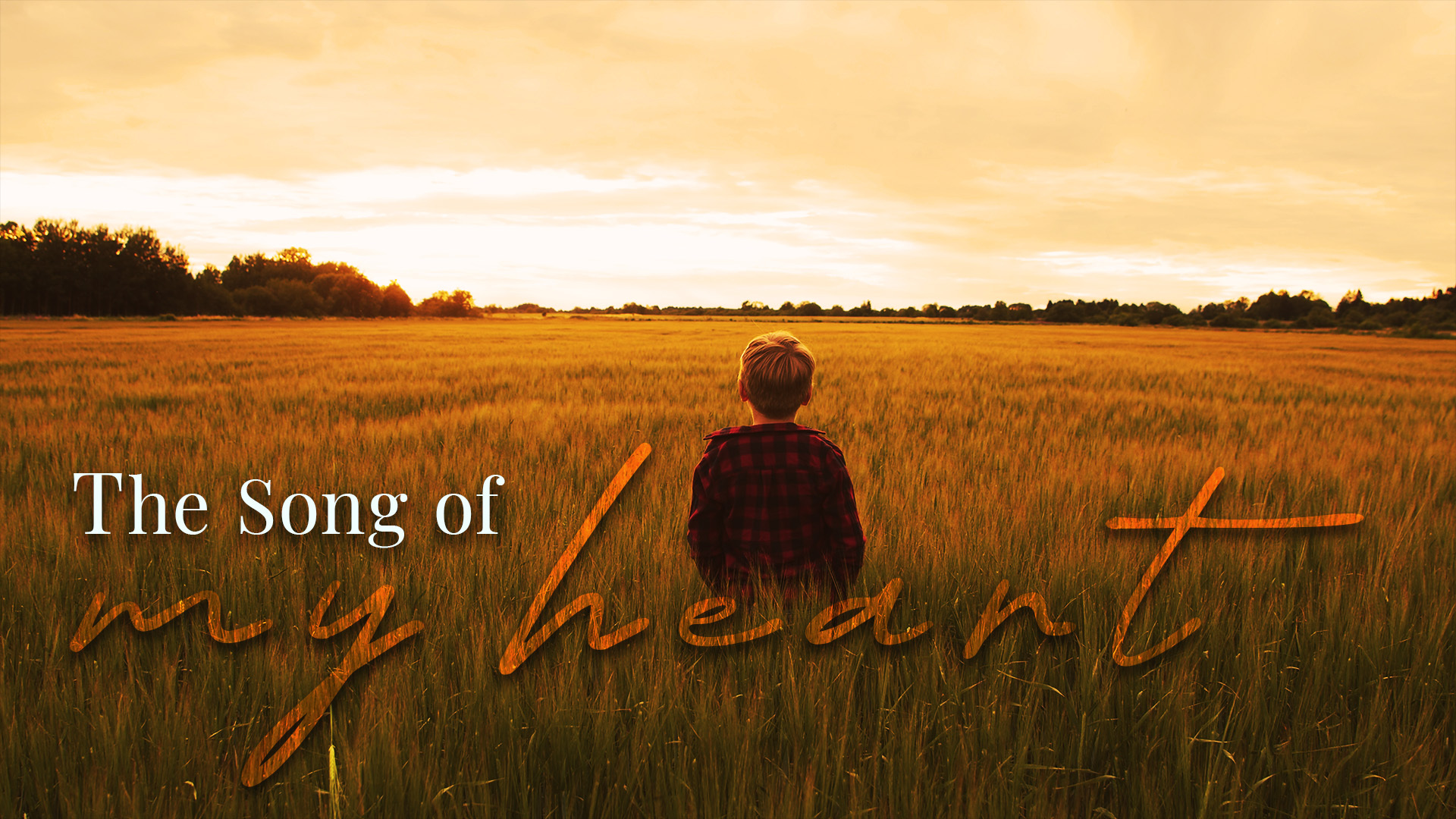
Finding Hope in Life’s Darkest Caves: Lessons from David’s Psalm 57

Life has a way of throwing us into seasons that feel endless. Times when we’re hiding in our own metaphorical caves, wondering when relief will come. David’s experience in Psalm 57 offers profound insight for anyone facing prolonged difficulty.
When Life Doesn’t Go According to Plan
David had been anointed as the future king of Israel. Instead of ascending to the throne, he found himself running for his life. For fifteen long years, David lived as a fugitive, hiding in caves while King Saul pursued him relentlessly.
Imagine the confusion and frustration. God had promised David the throne, yet here he was, a fugitive surrounded by misfits, living in the shadows. The gap between God’s promise and David’s reality seemed impossibly wide.
What Are Your Caves?
We all have caves. Those places we retreat to when life becomes overwhelming. These might be physical spaces, emotional walls, or coping mechanisms that give us the illusion of safety and control. But David’s refuge wasn’t ultimately in the cave around him; it was in the God above him.
The Difference Between Hiding and Taking Refuge
There’s a crucial distinction between hiding from our problems and taking refuge in God. David writes, “Have mercy on me, O God, have mercy on me, for in you I take refuge. I take refuge in the shadow of your wings until the disaster has passed.”
David wasn’t denying his circumstances or pretending everything was fine. He acknowledged the very real danger surrounding him, describing his enemies as “lions” and “ravenous beasts” with “teeth like spears and arrows” and “tongues like sharp swords.”
How Past Faithfulness Fuels Present Hope
What sustained David through this dark season was remembering God’s faithfulness. The same God who had delivered him from the lion and the bear, who had helped him defeat Goliath, would see His promises through to completion.
When the Storm Doesn’t End at Sunrise
Some nights don’t end with relief in the morning. Some storms aren’t just one difficult evening. They’re long seasons that seem like they’ll never end. David’s fifteen-year ordeal reminds us that God’s timing rarely matches our own expectations.
The sunrise doesn’t automatically mean:
- Trials will end
- Grief will subside
- Broken relationships will heal
- Anxiety will disappear
But it does mean God’s mercies are new every morning, and His faithfulness continues regardless of our circumstances.
Worship as Defiance Against Despair
In the midst of his cave experience, David makes a remarkable declaration: “My heart is steadfast, O God, my heart is steadfast. I will sing and make music. Awake my soul, awake harp and lyre. I will awaken the dawn.”
Not Waiting for Better Circumstances
David wasn’t waiting for his situation to improve before he would worship. He chose to praise God in the darkness, with trembling hands and an uncertain future. This wasn’t denial. It was defiance.
When we worship in the storm, we’re declaring that:
- Satan doesn’t get the last word
- Our current cave isn’t how our story ends
- God is good and faithful, regardless of circumstances
- His glory will ultimately cover the earth
Changing Your Posture When You Can’t Change Your Circumstances
David couldn’t immediately change his situation, but he could change his posture. He moved from trembling fear to triumphant praise, from begging for mercy to declaring God’s faithfulness.
This shift in perspective reminds us that worship does two important things:
- It reminds us how big and powerful our God is
- It reminds us how small we are, yet how much He cares for us
The Prayer and Proclamation
David’s words “Be exalted, O God, above the heavens, let your glory cover the earth” serve as both prayer and proclamation. It’s a prayer asking God to reveal His glory, but also a proclamation recognizing that God is already present and working, even in the cave.
We don’t need to invite God to join us in our difficult circumstances. We need to awaken our souls to recognize that He’s already there.
Life Application
This week, identify the “caves” in your life. Those places or situations where you feel trapped, afraid, or uncertain about the future. Instead of simply hiding in these caves, choose to take refuge in God’s character and faithfulness.
Practice “awakening the dawn” by choosing to worship God before you see evidence that your situation is improving. This isn’t about denying reality, but about declaring that God’s faithfulness transcends your current circumstances.
Questions for Reflection:
- What caves am I currently hiding in, and how can I shift from hiding to taking refuge in God?
- How has God shown His faithfulness in my past, and how can those memories fuel hope for my present situation?
- In what ways can I choose worship over worry this week, even if my circumstances don’t change?
- Am I waiting for better circumstances to praise God, or am I willing to “awaken the dawn” right where I am?
Remember, the God who has been faithful throughout generations will continue to be faithful in your story, even when, especially when, you can’t see how.