
Who’s Really Invited? The Surprising Guest List of God’s Kingdom

Have you ever struggled with creating a guest list for an important event? The challenge of deciding who’s in and who’s out can be overwhelming, especially when space is limited. We naturally make assumptions about who belongs and who doesn’t, often projecting our own preferences onto what we think God’s invitation list should look like.
The Unexpected Visitors in Matthew’s Christmas Story
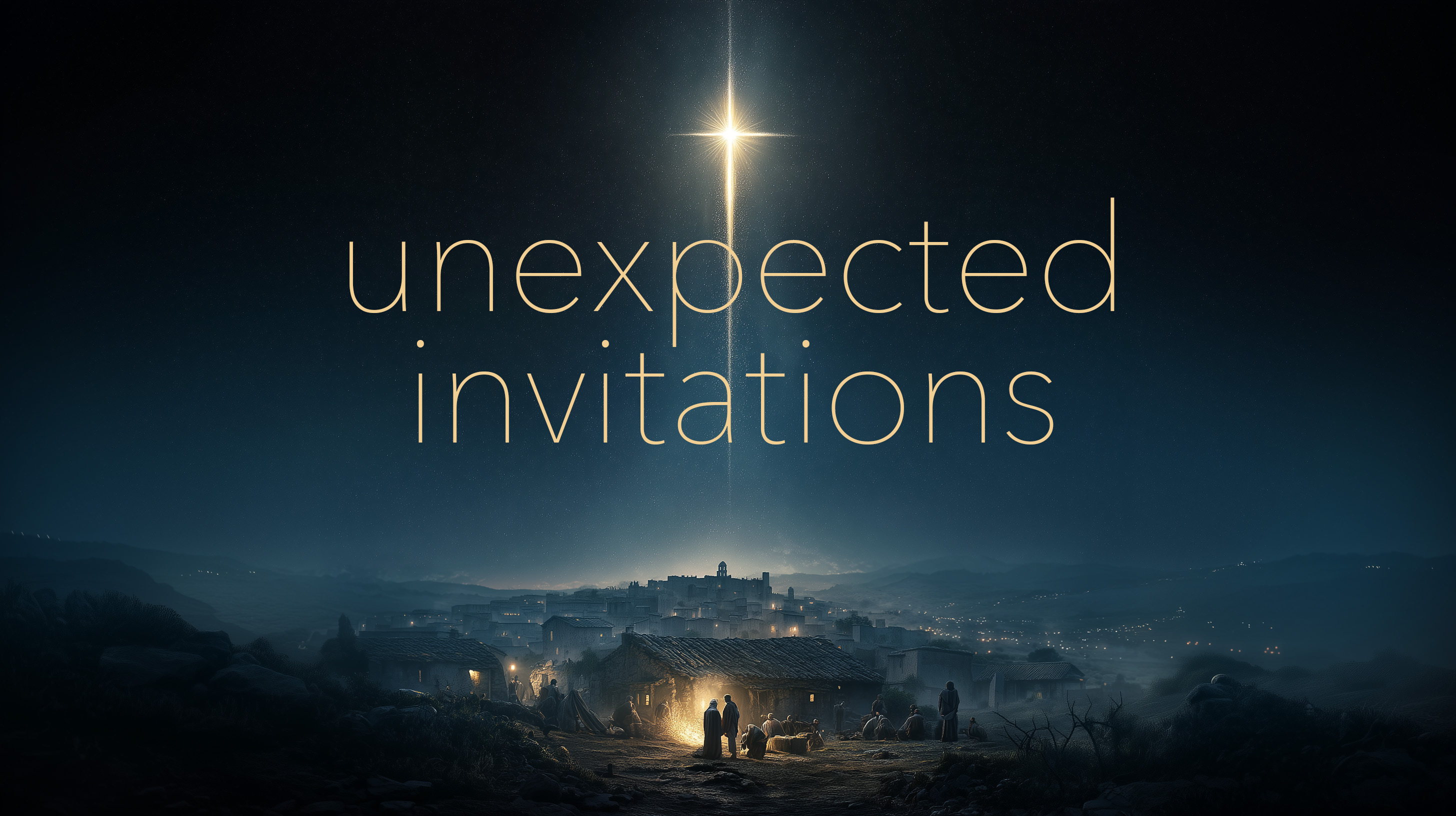
Matthew’s account of Jesus’ birth creates fascinating tension around the question of who truly belongs in God’s kingdom. After Jesus was born in Bethlehem, magi from the east arrived in Jerusalem asking, “Where is the one who has been born king of the Jews? We saw his star when it rose and have come to worship him.”
This simple question disturbed King Herod and all of Jerusalem with him. These visitors represented something unexpected: people who shouldn’t have been included in the story. Yet, there they were, seeking the newborn king.
Who Were These Magi Really?
More Than Just “Wise Men”
When we hear “wise men,” we often picture scholars or academics. But the Greek word “magos” tells a different story. In other New Testament passages, this same word describes sorcerers and practitioners of what we might call occult arts. These weren’t simply educated men. They were likely astrologers and fortune tellers, people whose practices would have been considered pagan by Jewish standards.
Think of them as a combination of astrophysicist and fortune teller. While Jews would have seen them as pagans, God saw them as potential worshipers.
The Significance of Coming “From the East”
The direction “east” in biblical narrative isn’t just geography. It represents distance from God. When Adam and Eve sinned, they were expelled from the garden to the east. Cain fled east after killing Abel. The Tower of Babel was built as people moved eastward. Throughout Scripture, moving east symbolizes moving away from God’s presence.
Yet remarkably, the temple entrance faced east, as if calling back those who had wandered far from God: “Come home. You are welcome here.”
How Did Pagan Astrologers Know to Look for a Star?
Daniel’s Lasting Influence
About 700 years before Christ’s birth, Daniel was exiled to Babylon, in the east. After interpreting Nebuchadnezzar’s dream, Daniel was placed in charge of all the wise men (magi) in Babylon.
Perhaps Daniel shared stories of Israel’s God with these magi. Maybe he told them about prophecies of a coming Messiah who would be born as a child. For 600 years, these stories could have been passed down through generations of magi, preparing them to recognize the sign when it appeared.
When they saw the star rise in the east, they may have remembered the ancient stories and declared, “This is the moment our ancestors told us about! The king has been born!”
Why Was Herod Disturbed by This News?
Herod was already king of the Jews, so news of another king threatened his position. His paranoia was legendary. He had killed his own wife and two sons when he suspected them of plotting against him. When Herod was disturbed, everyone around him learned to be afraid. Bad things happened when the king felt threatened.
The magi, warned in a dream not to return to Herod, went home by a different route. This detail reveals an important truth: encountering Jesus always changes our direction.
God’s Invitation Reaches Further Than Our Imagination
Direction Matters More Than Location
The magi’s story demonstrates that what matters isn’t where you start, but which direction you’re heading. These pagan astrologers from the east (the direction symbolizing distance from God) were moving toward God’s presence. They were making the journey every human heart must make: returning to God.
Come As You Are, Not As You Should Be
Most religions say, “Get yourself right first, then you can belong.” But Jesus’ invitation is different: “Come to me and you will be changed.” The magi didn’t arrive righteous. They arrived searching. They came seeking answers, seeking Jesus, and their encounter with Him transformed their lives.
The Bigger Picture of Matthew’s Gospel
Matthew frames his entire gospel around two major themes:
- God’s presence with his people: Beginning with “Emmanuel, God with us” and ending with Jesus’ promise “I will be with you always”
- Gentiles proclaiming Jesus as king: Starting with the magi worshiping the newborn king and ending with a Roman centurion declaring “Surely this was the Son of God”
The gospel story is bigger than any ethnic or cultural boundary we might imagine.
Life Application
This week, challenge yourself to examine your own assumptions about who belongs in God’s kingdom. Are there people you’ve written off as “too far gone” or “not the type” God would welcome? The magi’s story reminds us that God’s invitation extends to the most unexpected people in the most unexpected ways.
Consider these questions:
- Who in your life do you assume wouldn’t be interested in following Jesus?
- How might your faithfulness today impact generations you’ll never meet?
- What direction are you heading – toward or away from God’s presence?
- Are you willing to let God surprise you with who he chooses to invite into his kingdom?
Remember, you don’t have to fix yourself before coming to Jesus. Come searching, come as you are, and let the encounter with him change your direction. The door is open, and you are welcome.